
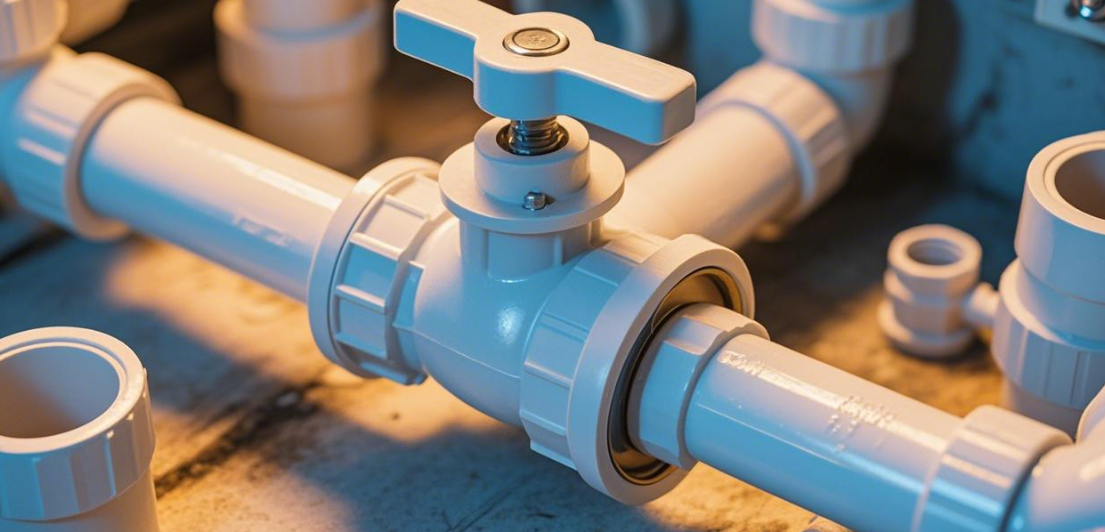
In the world of plumbing and fluid control, the choice of valve material can significantly affect the performance and life of the system. Traditionally, metal ball valves have been the first choice for many applications. However, with advances in material science, PVC ball valves have become a viable alternative that offers many advantages over metal ball valves. This article will explore the advantages of PVC ball valves, issues associated with metal ball valves, and what to do when a plastic ball valve is overtightened.
Advantages of PVC ball valve
PVC (polyvinyl chloride) ball valves are gradually replacing metal ball valves in various applications due to their many advantages. One of the most significant advantages is corrosion resistance. Metal ball valves, especially those made of iron or steel, are prone to rusting when exposed to moisture and certain chemicals. Rust not only compromises the integrity of the valve, but also contaminates the conveyed fluid, leading to potential health hazards and system failures.
In contrast, PVC ball valves will not rust or corrode, making them ideal for applications involving water, chemicals, and other fluids. This durability means longer service life and lower maintenance costs. In addition, PVC ball valves are lightweight and easier to install and operate than metal ball valves.
The Importance of Lubrication and Maintenance
While PVC ball valves are generally low maintenance, ensuring they operate smoothly is critical. One common problem users encounter is a valve stem that is too tight or too stiff. There are many reasons for this, including a buildup of dirt and debris, insufficient lubrication, or improper installation.
To prevent over-tightening of the PVC ball valve, it is critical to rotate the handle regularly. This simple action helps keep the internal components moving freely and prevents sticking. If the valve is not used regularly, the internal parts may become stuck due to the accumulation of dirt or other contaminants. Rotating the handle regularly can help alleviate this problem.
What to do if the plastic ball valve is too tight
If you find that your PVC ball valve is too tight to operate, there are several steps you can take to remedy the situation:
1. Inspect the Valve: First visually inspect the valve for any visible signs of damage or wear. Check for cracks, nicks, or other deformations that could cause the handle to stick.
2. Cleaning the Valve: If the valve looks dirty, it may need to be cleaned. Use a soft cloth or brush to remove dirt or debris from the outside. When cleaning the inside of the valve, you may need to carefully disassemble the valve. Be sure to remove all debris that may cause the handle to stick.
3. Lubricate the valve: If the valve still seals after cleaning, applying a lubricant can help. Use a silicone-based lubricant or a food-grade lubricant suitable for plastics. Avoid petroleum-based lubricants, as they can cause PVC to degrade over time. Apply the lubricant to the moving parts of the valve and move the handle back and forth to distribute it evenly.
4. Check Alignment: Sometimes, over-tightening of a valve can be caused by misalignment during installation. Make sure the valve is properly aligned with the pipe and there are no obstructions preventing it from moving freely.
5. Turn the handle regularly: As mentioned earlier, turning the handle regularly helps prevent the valve from being over-tightened. Even if you don’t use it often, make it a habit to operate the valve regularly.
6. Seek professional help: If you have tried the above steps and the valve is still tight, you may want to consult a professional plumber or technician. They can assess the situation and determine if the valve needs repair or replacement.
PVC ball valves are an excellent alternative to metal ball valves, with features such as corrosion resistance, lightweight construction and easy maintenance. However, like any mechanical component, PVC ball valves require proper care to perform at their best. Regularly turning the handle, cleaning and lubricating the valve can prevent the valve from being over-tightened and ensure smooth operation.
If your plastic ball valve is overtightened, follow the steps above to troubleshoot and resolve the issue. Taking proactive steps can extend the life of your PVC ball valve and maintain the efficiency of your piping system. Taking full advantage of the benefits of PVC ball valves and understanding their maintenance needs will help you achieve a more reliable and efficient fluid control solution.
Post time: Jun-04-2025