
In the ever-evolving world of kitchen design and functionality, telescopic faucets have become a trendsetting trend, attracting the attention of numerous homeowners and designers. Known for their versatility and convenience, telescopic faucets are particularly well-suited to kitchen use, becoming essential tools for washing dishes, fruits, and vegetables. However, recent research has raised concerns about the potential health risks of these modern faucets, particularly regarding the release of toxic particles and microplastics during use. This article will explore the advantages of telescopic faucets, their growing popularity, and the implications of recent research on their safety.
The rise of telescopic faucets
Telescopic faucets, also known as pull-down or pull-out faucets, are very popular in modern kitchens. Their design allows for flexible, retractable spouts, allowing users to direct water precisely where it’s needed. This feature is particularly useful when washing large pots and pans or rinsing fruits and vegetables, as it provides greater flexibility.
The convenience of a telescopic faucet is undeniable. With a simple pull of the handle, users can switch between steady-flow and spray modes, making it easy to handle a variety of kitchen tasks. This flexibility not only improves kitchen efficiency but also makes the cooking experience more enjoyable. Consequently, many homeowners choose telescopic faucets as a stylish and practical kitchen accessory.
Kitchen Convenience
One of the main reasons for the popularity of telescopic faucets is their convenience. In this fast-paced world, time is of the essence, and having a faucet that can easily handle a variety of tasks is crucial. Whether you’re washing dishes, rinsing fresh produce, or filling a large pot, a telescopic faucet simplifies your operation.
The retractable nozzle cleans every corner of your sink, ensuring no food residue or dirt remains. This is especially important when washing fruits and vegetables, as thorough rinsing is crucial to remove pesticides and contaminants. The spray function also helps clean, effectively removing stubborn food residue from dishes and cookware.
Plus, the sleek, modern design of this telescopic faucet adds a touch of elegance to any kitchen. Available in a variety of finishes and styles, these faucets complement a variety of kitchen decor styles, making them a popular choice for homeowners looking to upgrade their space.
Health Concerns: Toxic Particles and Microplastics
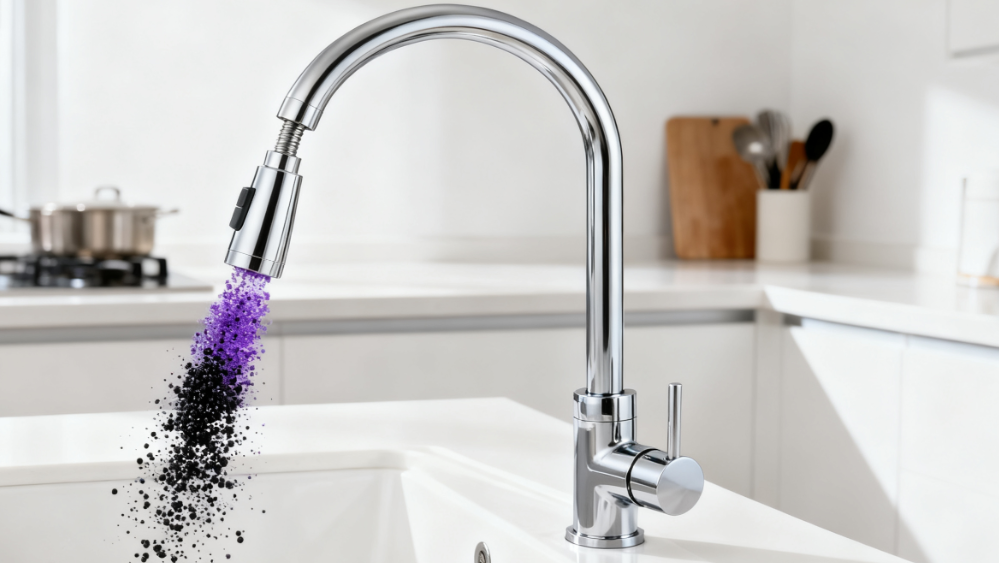
Despite the many advantages of retractable faucets, recent research has raised alarms about their potential health risks. Studies have shown that over 40% of retractable faucets release microplastics during use. Microplastics are tiny plastic particles that can enter the body through ingestion or inhalation, posing serious health risks.
There are also concerns about the materials used in some retractable taps. Many are made of plastic, which can degrade over time and release microplastics into the water supply. This is particularly concerning considering these taps are often used to wash food that is consumed directly.
In addition to microplastics, some retractable faucets can release toxic particles into the water during use. These particles come from a variety of sources, including the faucet’s structural materials and the water supply system itself. The presence of these toxic substances in drinking water can cause serious health effects, including hormone disruption and an increased risk of certain diseases.
The importance of choosing a high-quality faucet
Given the potential health risks associated with telescopic faucets, consumers should exercise caution when choosing kitchen faucets. Choosing high-quality faucets made from safe and durable materials can significantly reduce the risk of exposure to toxic particles and microplastics.
When purchasing a telescoping faucet, look for one that’s certified by a reputable organization, such as the American National Standards Institute (ANSI) or the National Sanitation Foundation (NSF). These certifications indicate that the faucet has undergone rigorous safety and performance testing.
Also, consider faucets made of materials like stainless steel or lead-free brass, which are less likely to leach harmful substances into the water. Investing in high-quality faucets may require a higher upfront cost, but the health and safety benefits will be worth it in the long run.
Maintenance and Care
To ensure the longevity and safety of your telescopic faucet, regular maintenance is essential. Here are some tips to keep your faucet in top condition:
1. Regular Cleaning: Clean your faucet regularly to prevent mineral deposits and bacterial growth. Use mild soapy water and avoid harsh chemicals that may damage the faucet surface.
2. Check for wear: Regularly inspect your faucet for signs of wear, such as cracks or leaks. Addressing these issues promptly can prevent further damage and potential contamination.
3. Replace the filter: If your faucet has a built-in filter, be sure to replace it according to the manufacturer’s recommendations. This helps ensure that the water you use for cooking and drinking is free of harmful contaminants.
4. Use a safe water source: Pay attention to the water source you use. If you are concerned about the quality of your tap water, consider using a water filtration system to remove potential toxins and impurities.
Telescopic faucets are undoubtedly a popular choice in modern kitchens, offering convenience and versatility for a variety of kitchen tasks. However, recent research on the release of toxic particles and microplastics during use cannot be ignored. As consumers, health and safety must be prioritized when choosing kitchen equipment.
By choosing high-quality telescopic faucets made from safe materials and performing regular maintenance, homeowners can enjoy the benefits of these innovative appliances while minimizing potential health risks. As the kitchen becomes increasingly central to the home, choosing the tools we use wisely will ensure a safe and enjoyable cooking experience for years to come.
Post time: Oct-17-2025