
Polyvinyl chloride (PVC) ball valves are widely used in various industries due to their excellent chemical resistance, lightweight nature, and cost-effectiveness. However, the performance and service life of these valves largely depend on the hardness of the PVC material used. Understanding the importance of PVC hardness is crucial for ensuring optimal sealing, abrasion resistance, structural strength, and overall service life of PVC ball valves. This article will explore the effects of excessively low PVC hardness, the potential problems it may cause, and the importance of proper installation.
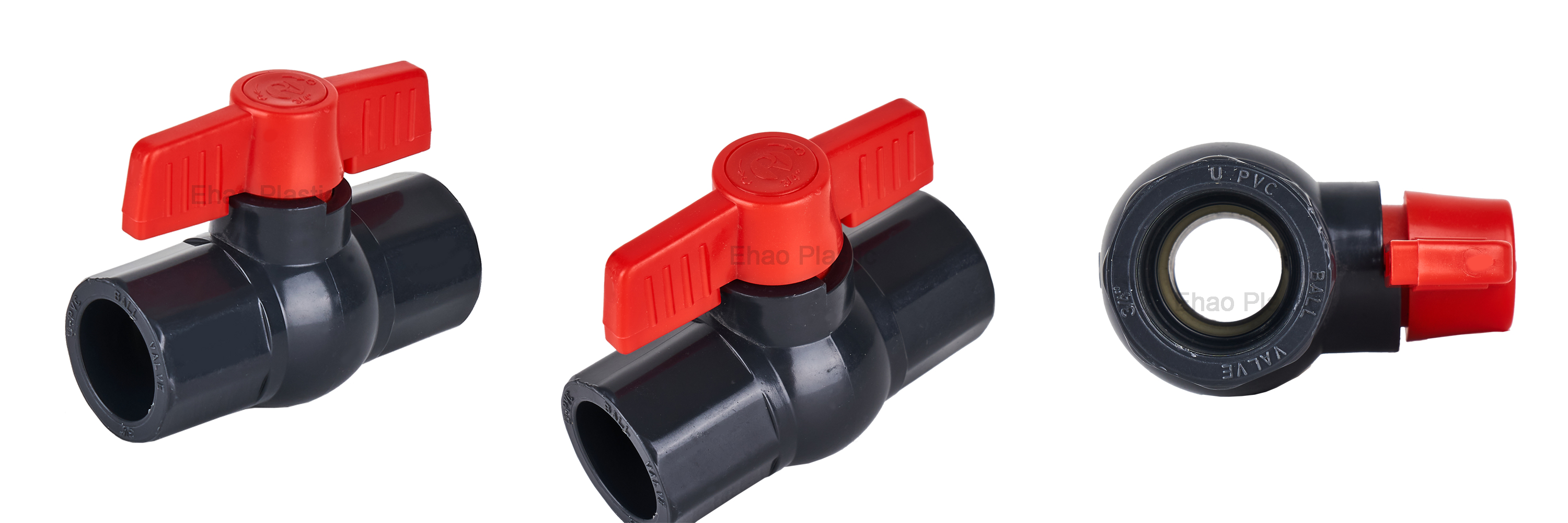
Understanding PVC Hardness
PVC hardness is an indicator of a material’s resistance to deformation and wear. It is typically quantified using a Shore hardness tester, with higher values indicating greater hardness. The hardness of PVC can vary depending on its formulation, additives, and manufacturing process. For PVC ball valves, achieving the appropriate hardness is crucial for maintaining their functionality and durability.
The role of hardness in sealing
One of the primary functions of a ball valve is to provide a reliable seal to prevent leakage. The hardness of the PVC material directly affects the valve’s sealing performance. Higher hardness PVC maintains its shape better under pressure, ensuring the sealing surfaces remain in contact and effectively blocking fluid flow. Conversely, lower hardness PVC can cause valve components to deform, thus reducing sealing performance. This can lead to leakage, wasting resources and potentially posing safety hazards in some applications.
Abrasion resistance and structural strength
PVC ball valves are frequently subjected to various stresses during operation, including pressure fluctuations and mechanical shocks. The hardness of the PVC material plays a crucial role in its wear resistance and structural strength. Higher hardness PVC is less prone to wear and can withstand frequent use without significant performance degradation. This is especially important in applications where the valve is exposed to abrasive fluids or must withstand repeated cycles.
The low hardness of PVC material leads to accelerated wear, thus shortening the valve’s service life. As the material wears down, valve operation becomes increasingly difficult, and the risk of failure rises. In extreme cases, a valve that has lost its structural integrity may cause catastrophic leaks or system failures, posing a serious threat to personnel and equipment.
Lifespan Considerations
The lifespan of a PVC ball valve largely depends on the hardness of the material. Valves made of harder PVC generally have a longer lifespan because they are better able to withstand the stress and pressure of daily use. In contrast, valves made of lower-hardness PVC may require more frequent replacement, leading to increased maintenance costs and downtime.
When selecting PVC ball valves for a specific application, the expected service life and the valve’s operating conditions must be considered. Investing in higher quality, more robust PVC valves may result in higher upfront costs, but in the long run, they can be a more economical choice due to reduced maintenance and replacement needs.
Installation difficulties
Another aspect to consider when discussing PVC hardness is the difficulty of installing ball valves. Harder PVC materials can be more challenging to install, as they may require special tools or techniques for proper cutting and installation. However, the advantages of using harder PVC generally outweigh the installation challenges.
While low-hardness PVC is easy to process, its susceptibility to deformation can cause problems during installation. This can lead to misalignment of valve components, making it difficult to achieve a proper seal. Ensuring correct valve installation is crucial for maintaining its performance and preventing leaks.
Problems caused by low PVC hardness
Using low-hardness PVC in ball valves can have significant consequences. Some of the most common problems with low-hardness PVC include:
1. Decreased sealing performance: As mentioned earlier, low hardness can cause valve components to deform, thereby damaging the sealing surface and increasing the possibility of leakage.
2. Increased Wear: Valves made of low-hardness PVC are more susceptible to wear, resulting in a shorter service life and requiring more frequent replacements.
3. Structural failures: Low rigidity can lead to insufficient structural integrity, making valves more prone to cracking or breaking under pressure.
4. Low operating efficiency: Leaks and wear can lead to low operating efficiency, thereby increasing energy costs and wasting resources.
5. Safety Hazards: In critical applications involving hazardous materials, the failure of PVC ball valves due to their low hardness may pose serious safety risks.
The hardness of PVC is a key factor affecting the performance and service life of PVC ball valves. PVC materials with higher hardness exhibit superior sealing performance, wear resistance, structural strength, and overall service life. Conversely, excessively low hardness can lead to a range of problems, including decreased sealing performance, accelerated wear, and potential safety hazards.
When selecting PVC ball valves for a specific application, the material’s hardness and its impact on performance must be considered. While harder PVC may present some installation challenges, the long-term benefits of using high-quality materials far outweigh the initial difficulties. By prioritizing the hardness of PVC ball valves, industries can ensure reliable operation, reduce maintenance costs, and improve system safety.
In conclusion, understanding PVC hardness is crucial for everyone involved in the selection, installation, and maintenance of PVC ball valves. By making informed choices based on material properties, stakeholders can optimize system performance and reliability, ultimately improving operational efficiency and safety.
Post time: Dec-04-2025