
Common symptoms of valve core damage
1. Leakage issue
(a) Sealing surface leakage: Liquid or gas leakage from the sealing surface or packing of the valve core may be caused by wear, aging, or improper installation of the sealing components. If the problem still cannot be solved after adjusting the seal, replace valve core.
(b) External leakage phenomenon: Leakage around the valve stem or flange connection, usually caused by packing failure or loose bolts, requires inspection and replacement of corresponding components.
2. Abnormal operation
(a) Switch jamming: The valve stem or ball has difficulty rotating, which may be caused by accumulation of impurities, insufficient lubrication, or thermal expansion. If the cleaning or lubrication is still not smooth, it indicates that the internal structure of the valve core may be damaged.
(b) Insensitive action: The valve response is slow or requires excessive operating force, which may be due to blockage between the valve core and seat or actuator failure.
3. Sealing surface damage
Scratches, dents, or corrosion on the sealing surface result in poor sealing. It can be confirmed through endoscopic observation that severe damage requires replacement of the valve core.
Differences in replacement judgment of ball valves made of different materials
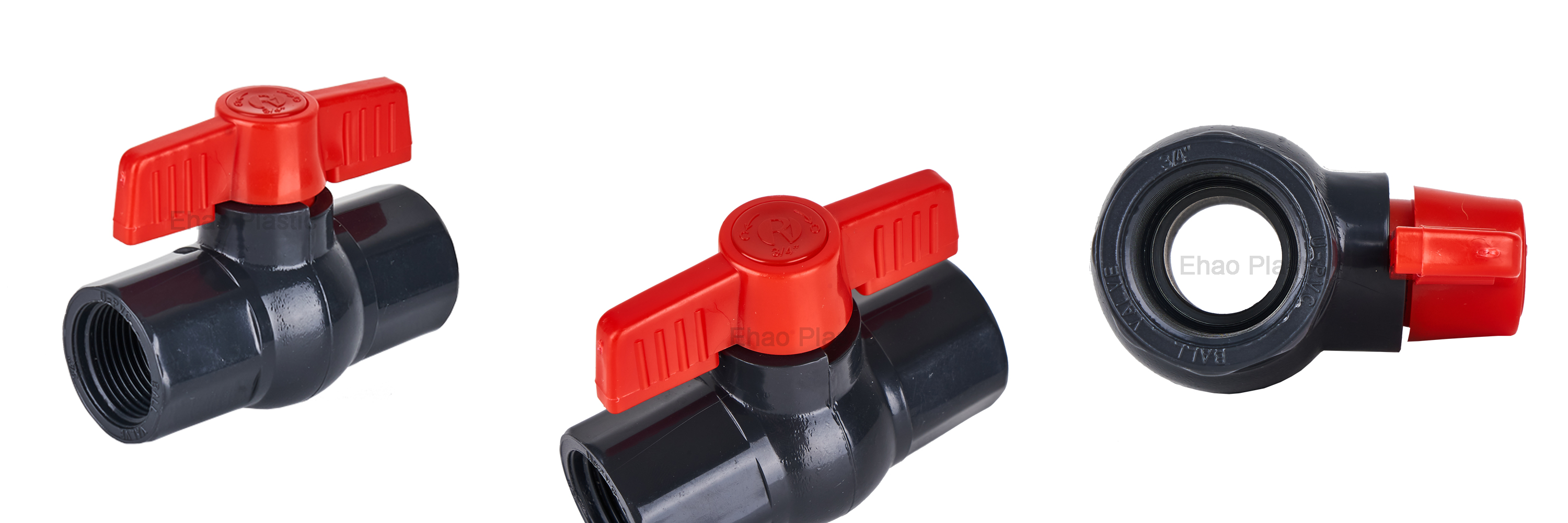
1. Plastic ball valve: The valve body and valve core are usually designed as a single unit and cannot be replaced separately. Forcefully disassembling them can easily damage the structure. It is recommended to replace them as a whole.
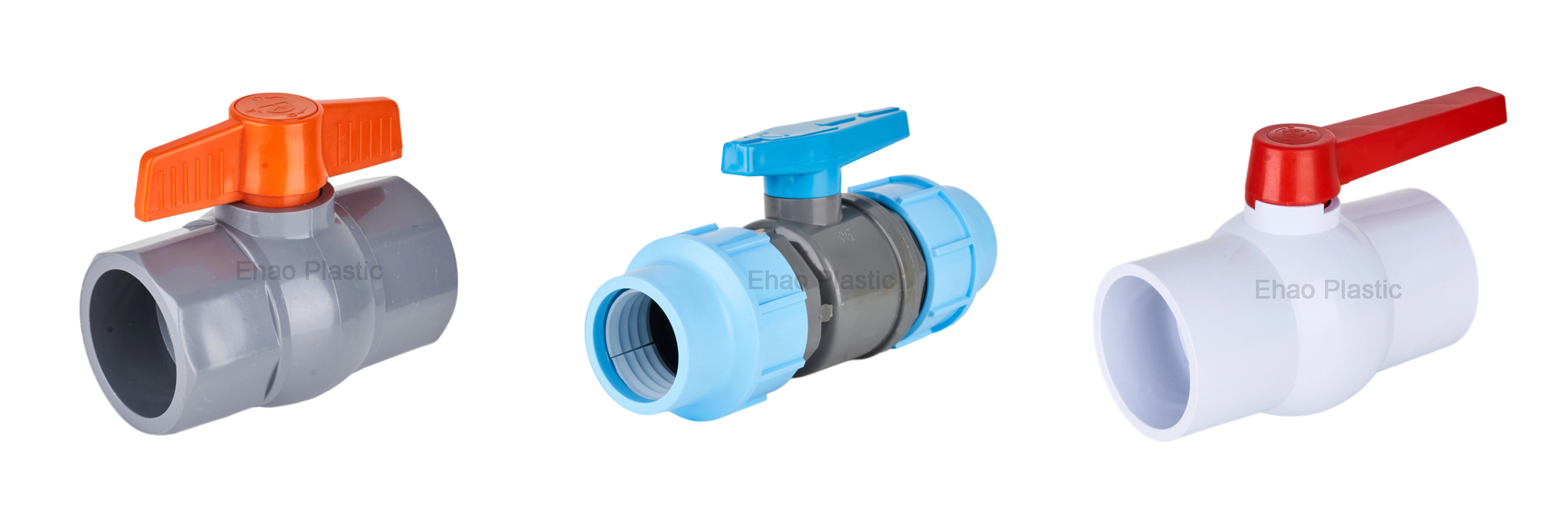
2. Metal ball valve (such as brass, stainless steel): The valve core can be replaced separately. The medium needs to be closed and the pipeline needs to be emptied. When disassembling, pay attention to the protection of the sealing ring.
Professional testing methods and tools
1. Basic testing
(a) Touch test: Pull the handle up, down, left, and right. If the resistance is uneven or the “idle” is abnormal, the valve core may be worn.
(b) Visual inspection: Observe whether the valve stem is bent and whether there is obvious damage to the sealing surface.
2. Tool assistance
(a) Pressure test: The sealing performance is tested by water pressure or air pressure. If the pressure drops significantly during the holding period, it indicates that the valve core seal has failed.
(b) Torque test: Use a torque wrench to measure the switch torque. Exceeding the standard value indicates an increase in internal friction.
Post time: Jul-18-2025