
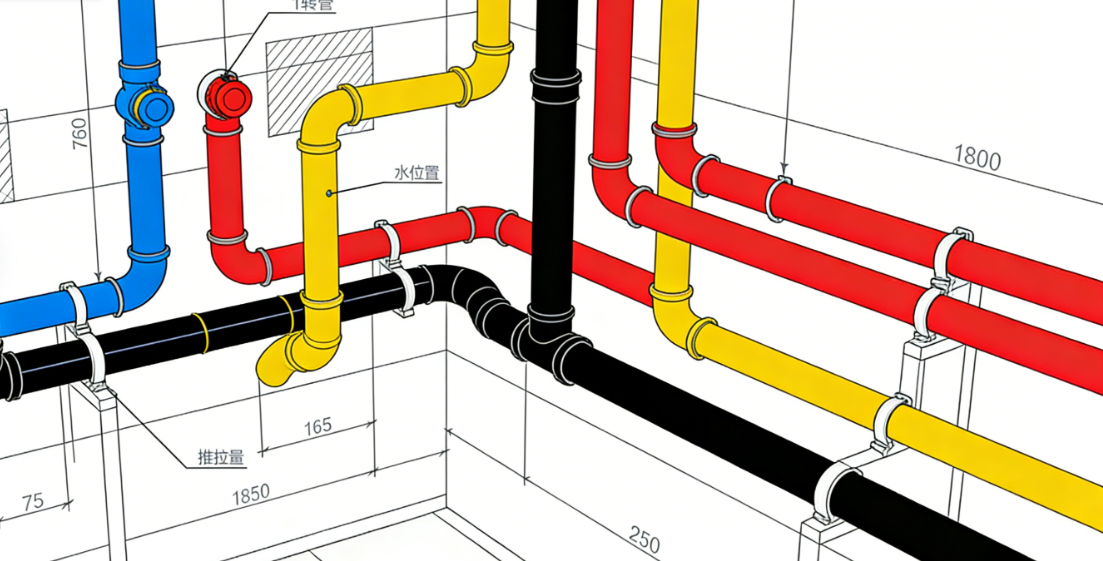
In piping and fitting solutions, two commonly used materials are chlorinated polyvinyl chloride (CPVC) and unplasticized polyvinyl chloride (UPVC). Each material has its unique properties, advantages, and disadvantages, making them suitable for different applications. This article will explore the main differences between CPVC and UPVC, their respective advantages and disadvantages, prices, and their applications in products such as PVC ball valves and CPVC fittings.
What are CPVC and UPVC?
Before we delve into the comparison, let’s clarify what CPVC and UPVC are.
CPVC is a thermoplastic made from chlorinated PVC resin. It is known for its high-temperature resistance and is commonly used in hot water applications.
On the other hand, UPVC is a rigid PVC that does not contain any plasticizers. It is commonly used in the construction industry, especially for doors, windows, and plumbing systems.
The main differences between CPVC and UPVC
1. Temperature resistance
One of the most significant differences between CPVC and UPVC lies in their temperature resistance. CPVC can withstand temperatures up to 200°F (93°C), making it ideal for hot water applications. UPVC, on the other hand, is better suited for cold water, with its temperature resistance typically limited to around 140°F (60°C).
2. Chemical Resistance
Both CPVC and UPVC exhibit excellent chemical resistance, but CPVC is slightly superior in handling corrosive substances. Therefore, CPVC is the better choice for industrial applications involving frequent exposure to highly corrosive chemicals.
3. Flexibility and Durability
UPVC is known for its rigidity and strength, making it a popular choice for structural applications such as window frames and doors. CPVC, while equally durable, offers better flexibility, which is particularly advantageous in certain pipework applications requiring movement.
4. Installation
In terms of installation, both CPVC and UPVC are relatively easy to handle. However, CPVC requires the use of special solvent-based adhesives for bonding, while UPVC can be bonded using ordinary PVC adhesives. This makes UPVC a more convenient choice for DIY projects.
Advantages of CPVC
1. High Temperature Resistance: CPVC can withstand hot water, making it suitable for residential piping systems that require the delivery of hot water.
2. Corrosion Resistance: CPVC is corrosion resistant, which can extend the service life of piping systems.
3. Low thermal conductivity: CPVC has a low thermal conductivity, which helps maintain the temperature of the water flowing through it.
4. Lightweight: CPVC pipes are lightweight, making them easy to transport and install.
Disadvantages of CPVC
1. Cost: CPVC is often more expensive than UPVC, which may be a factor to consider for budget-conscious consumers.
2. Brittleness: Although CPVC is durable, it can become brittle over time, especially when exposed to UV light.
3. Limited UV protection: CPVC is not suitable for outdoor use without proper sun protection measures.
Advantages of UPVC
1. Affordable: UPVC is generally more affordable than CPVC, making it a popular choice for projects with limited budgets.
2. Durability: UPVC has high durability and weather resistance, making it ideal for outdoor applications.
3. Low maintenance cost: UPVC requires very little maintenance, which can save time and money in the long run.
4. Versatility: UPVC can be used in a variety of applications, from plumbing to construction.
Disadvantages of UPVC
1. Temperature Limitation: UPVC is not suitable for hot water applications, which limits its use in certain piping systems.
2. Poor flexibility: UPVC material is relatively rigid, making it unsuitable for applications requiring flexibility.
3. Chemical sensitivity: Although UPVC is resistant to many chemicals, its performance may not be as good as CPVC in highly corrosive environments.
Price Comparison
Price is a key factor when choosing between CPVC and UPVC pipes. Generally, UPVC is more economical than CPVC. CPVC pipe prices range from $0.50 to $2.00 per foot, depending on diameter and brand. In contrast, UPVC pipe prices typically range from $0.30 to $1.50 per foot.
Although the initial cost of CPVC may be high, its long-term benefits, such as durability and temperature resistance, must be considered, which can save on maintenance and replacement costs.
Applications in PVC ball valves and CPVC pipe fittings
Both CPVC and UPVC are widely used in a variety of piping applications, including the manufacture of PVC ball valves and CPVC pipe fittings.
PVC ball valve
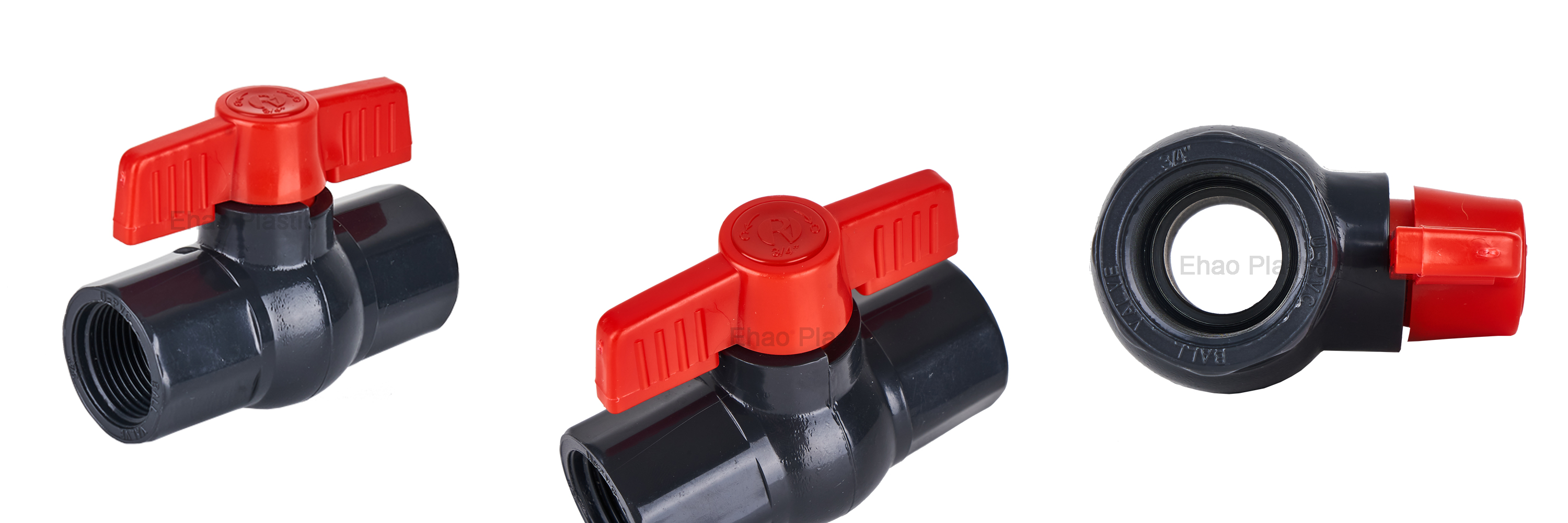
PVC ball valves are essential components in piping systems, allowing for easy control of water flow. They are available in both CPVC and UPVC materials.
- CPVC ball valves: Due to their high-temperature resistance, they are ideal for use in hot water systems. They are widely used in residential water supply and drainage systems and industrial applications.
- UPVC ball valves: These are more suitable for cold water applications and are commonly used in irrigation and drainage systems.
CPVC pipe fittings
CPVC fittings are used to connect CPVC pipes and are essential components for building a complete water supply and drainage system. They come in various shapes and sizes, including elbows, tees, and clamps.
- Advantages of CPVC pipe fittings: They have excellent heat resistance and corrosion resistance, making them an ideal choice for hot water systems.
- Disadvantages: CPVC fittings may be more expensive than UPVC fittings, which may be a factor to consider for budget-conscious consumers.
In summary, CPVC and UPVC each have their own advantages and disadvantages, making them suitable for different applications. CPVC, due to its high-temperature resistance and chemical corrosion resistance, is the preferred material for hot water systems and industrial applications. UPVC, on the other hand, is an economical and versatile option suitable for cold water systems and outdoor environments.
When choosing between CPVC and UPVC, consider your specific needs, budget, and intended use. Whether you choose CPVC fittings or UPVC ball valves, understanding the differences between them will help you make an informed choice that better meets your piping needs.
By weighing the pros and cons of each material, you can ensure that your piping system remains efficient, durable, and cost-effective for years to come.
Post time: Dec-18-2025