
Plastic pipes have become an indispensable part of various industries, providing a lightweight, durable, and cost-effective solution for transporting liquids and gases. Among the many available materials, UPVC, PE, PPR, and ABS are four of the most commonly used types. Each material has unique performance characteristics and application areas, making it suitable for specific uses. This article will explore the performance differences between these materials and their respective application areas.
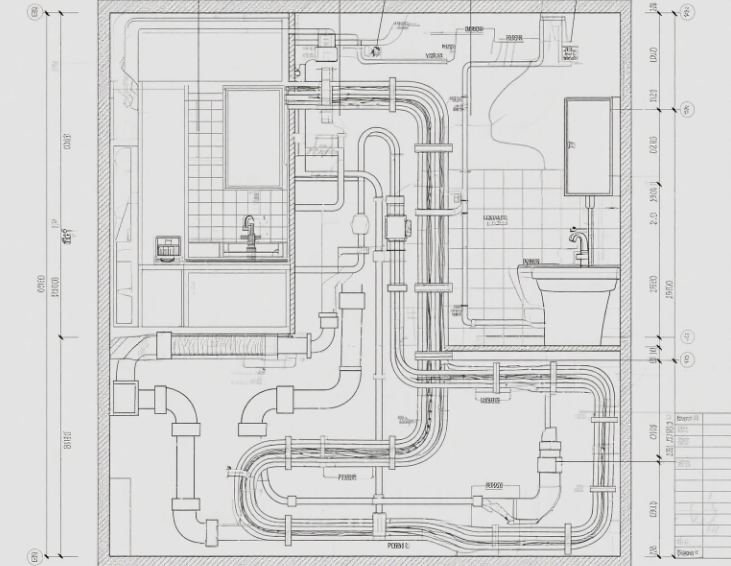
UPVC (Unplasticized Polyvinyl Chloride)
Performance Characteristics
UPVC, or unplasticized polyvinyl chloride, is a rigid plastic widely used in the construction and plumbing industries. One of its most notable characteristics is its low hardness, which facilitates installation and processing. Furthermore, UPVC is lightweight, making it easier to transport and handle compared to traditional materials such as metal.
In terms of chemical stability, UPVC exhibits excellent resistance to a wide range of chemicals, making it an ideal choice for applications involving corrosive substances. Its durability and resistance to environmental factors also contribute to its long service life, typically exceeding 50 years with proper installation and maintenance.
Application Areas
UPVC is primarily used in ventilation and wastewater systems. Its corrosion and chemical resistance makes it suitable for conveying wastewater and other corrosive liquids. Furthermore, UPVC pipes are also commonly used in drainage systems, where their lightweight and easy installation significantly reduces labor costs.
PE (Polyethylene)
Performance Characteristics
Polyethylene (PE) is another commonly used plastic pipe material, known for its excellent heat resistance and high strength. PE pipes can withstand high temperatures, making them ideal for hot water transportation. Furthermore, PE pipes have good flexibility, facilitating installation in various environments, including areas with complex terrain.
One of the outstanding characteristics of polyethylene (PE) is its excellent impact resistance and stress cracking resistance, which enhances its durability. In addition, this material also has strong chemical resistance, making it widely applicable.
Application Areas
PE pipes are primarily used in water supply systems. Their high pressure and high temperature resistance make them ideal for transporting drinking water. In addition, PE pipes are also commonly used in agricultural irrigation systems, where their flexibility and resistance to environmental stress offer advantages.
PPR (Polypropylene Random Copolymer)
Performance Characteristics
Random polypropylene copolymer (PPR) is an environmentally friendly plastic that has gained popularity in recent years. One of its main advantages is its heat resistance, making it suitable for use in hot water supply systems without concerns about deformation. PPR pipes also have antifreeze properties, making them suitable for areas with large temperature differences.
In terms of chemical resistance, PPR exhibits high stability, meaning it can come into contact with a wide variety of substances without degradation. Furthermore, its lightweight and ease of installation further enhance its appeal in the piping industry.
Application Areas
PPR pipes are widely used in air conditioning systems, hot water supply systems, and hot and cold water supply systems. Their high temperature and high pressure resistance makes them an ideal choice for residential and commercial piping applications. Furthermore, the environmentally friendly properties of PPR pipes meet the growing demand for sustainable building materials.
ABS (Acrylonitrile-Butadiene-Styrene)
Performance Characteristics
Acrylonitrile-butadiene-styrene copolymer (ABS) is a thermoplastic known for its heat and corrosion resistance. However, one of its drawbacks is its poor thermal conductivity, which can be a disadvantage in some applications. Nevertheless, ABS remains highly durable and can withstand a wide temperature range, making it suitable for various environments.
ABS pipes also possess impact resistance and corrosion resistance, which extends their service life. However, direct sunlight should be avoided, as prolonged exposure can degrade their performance.
Application Areas
ABS pipes are primarily used for transporting corrosive media and discharging wastewater. Their excellent chemical resistance makes them ideal for industrial applications handling corrosive substances. Furthermore, ABS pipes are also commonly used in drainage systems, where their durability and resistance to environmental factors make them essential components.
## Performance Differences and Precautions
When selecting plastic pipe materials, the specific performance characteristics and application areas of each material must be considered. UPVC is ideal for sewage and ventilation systems due to its chemical stability; PE is best suited for water supply applications due to its heat resistance and flexibility; PPR stands out for its environmentally friendly properties and suitability for hot water systems; while ABS is more suitable for conveying corrosive media.
Factors influencing material selection
1. Temperature resistance: If the application involves high temperatures, materials such as PE and PPR are more suitable than UPVC or ABS.
2. Chemical Compatibility: For applications involving corrosive substances, UPVC and ABS are excellent choices due to their chemical resistance.
3. Installation Environment: The flexibility of PE makes it well-suited for challenging terrain, while the rigidity of UPVC may be more suitable for straight-line laying.
4. Environmental Impact: As people’s awareness of sustainable development continues to increase, the environmentally friendly characteristics of PPR may influence the material selection in green building projects.
5. Cost Considerations: While all these materials offer cost-effective solutions, initial investment and long-term maintenance costs should be assessed on a case-by-case basis.
In summary, the selection of plastic pipe materials is crucial to ensuring the efficiency and lifespan of water supply, drainage, and building systems. UPVC, PE, PPR, and ABS each possess unique performance characteristics suitable for different applications. By understanding the differences between these materials, engineers, contractors, and builders can make informed decisions that align with project needs and sustainability goals. With continuous technological advancements, the development of new materials and improvements in formulations promise to enhance the performance and application range of plastic pipes, further solidifying their role in modern infrastructure.
Post time: Jan-31-2026